8 signs your houseplant needs help
What eight common warning signs mean, the most likely causes, and the first thing to do for each.
Quick answer
Most warning signs trace back to water, light or pests. Before you change anything, feel the soil 2 inches down, look under the leaves, and think about what changed recently: those three checks point to the cause in most cases.
- The soil. Push a finger about 2 inches (5 cm) into the potting mix. Is it wet, damp or dry?[1]
- Under the leaves. Look at the undersides and where leaves join the stems for webs, specks, cottony tufts or sticky spots.[2]
- What changed. A move, a new season, the heating coming on or a cold window often comes just before trouble.[3][2]
The 8 signs at a glance
| Sign | Most common causes | Narrow it down |
|---|---|---|
| Yellow leaves | Too much water; Too little water; Not enough light | Problem Finder |
| Drooping or wilting | Too little water; Too much water; Root or stem rot | Problem Finder |
| Brown, crispy tips | Dry air, heat or drafts; Uneven watering; Fertilizer or mineral salt buildup; Roots have outgrown the pot | Problem Finder |
| Leggy, stretched growth | Not enough light; Light from one side only | Problem Finder |
| Sunburn | Sunburn | Problem Finder |
| Sudden leaf drop | A sudden change; Cold or drafts; Dry air; Too much or too little water | Problem Finder |
| Pests | Spider mites; Mealybugs; Scale insects; Aphids | Problem Finder |
| No new growth | Winter rest; not enough light; needs feeding; roots out of room | Light Checker |
1. Why are my plant's leaves turning yellow?
Usually water. Yellow lower leaves with dry soil mean too little; old and new leaves yellowing together in wet soil mean too much.
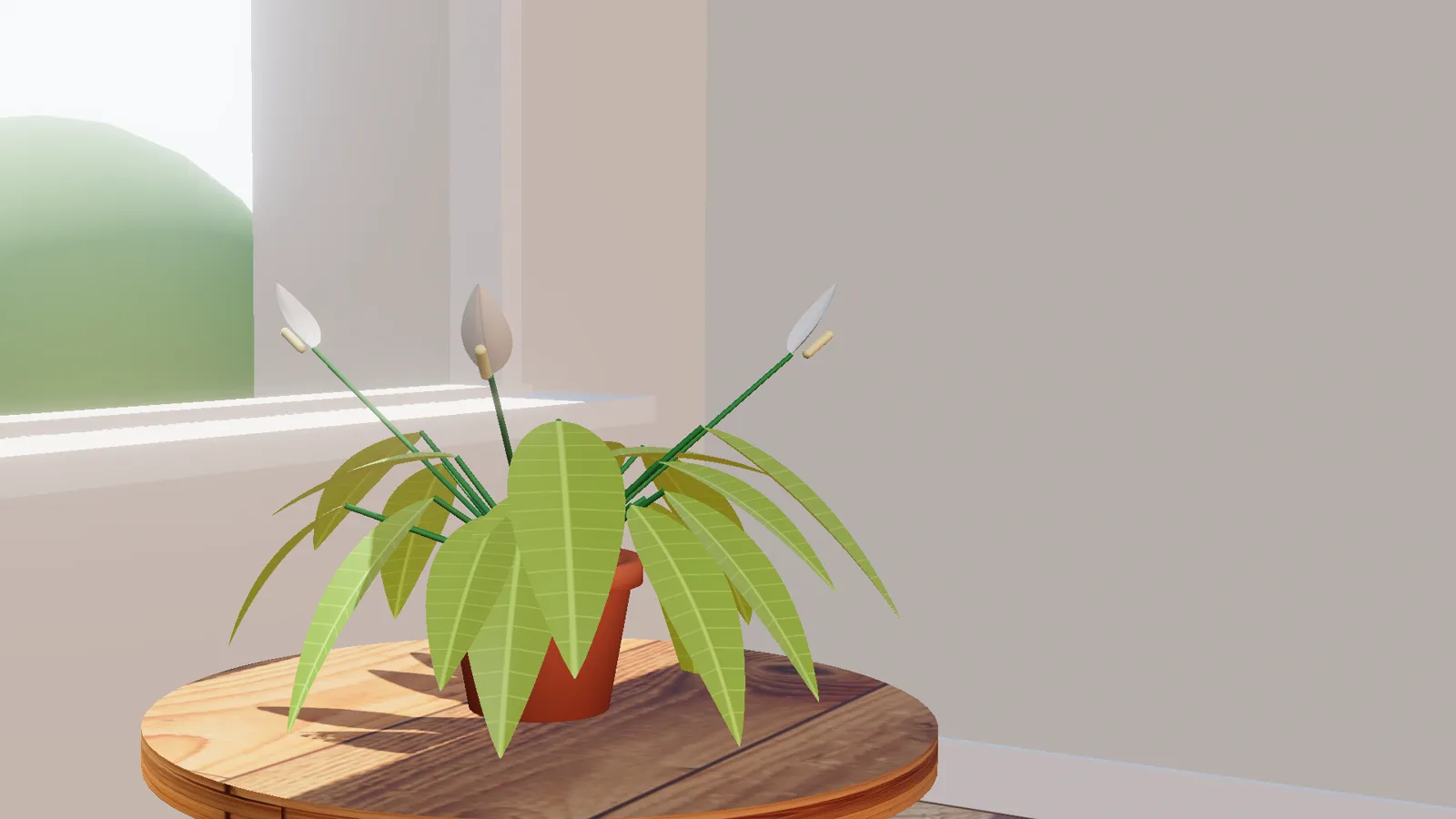
- Too much water: Wet soil leaves the roots short of air, so young and old leaves yellow together.[4][5][1][3]
- Too little water: The oldest, lowest leaves go first, and the soil feels dry.[4][3][1][6]
- Not enough light: The plant sheds lower leaves it cannot support, and new growth comes in weak.[4][7][2]
All causes and full fixes for yellow leaves in the Plant Problem Finder
2. Why is my plant drooping?
A drooping plant is either too dry or too wet. Feel the soil: dry soil needs water, wet soil can mean the roots are rotting.
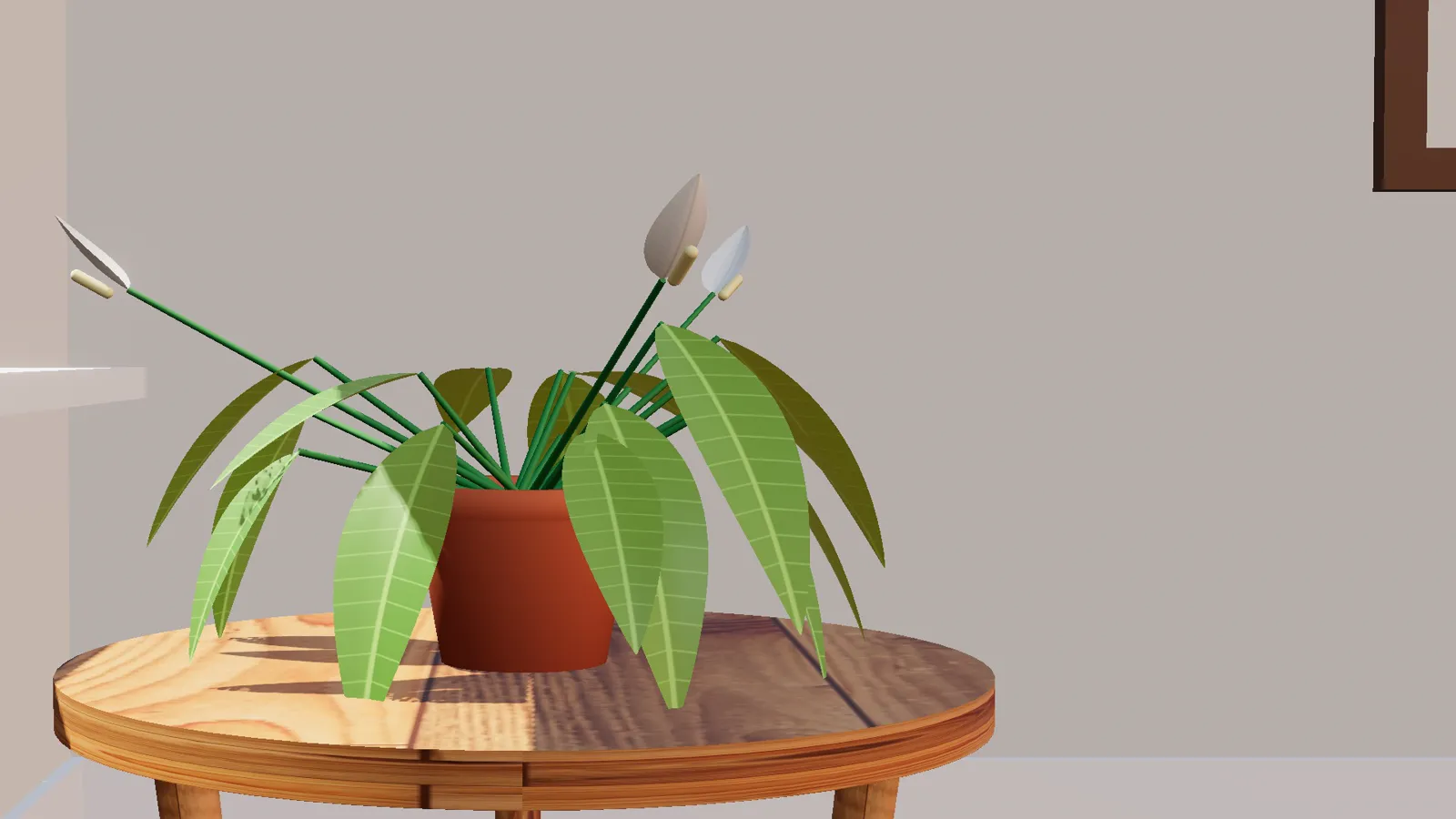
- Too little water: Dry soil and a light pot: the simplest case to fix.[4][1][6]
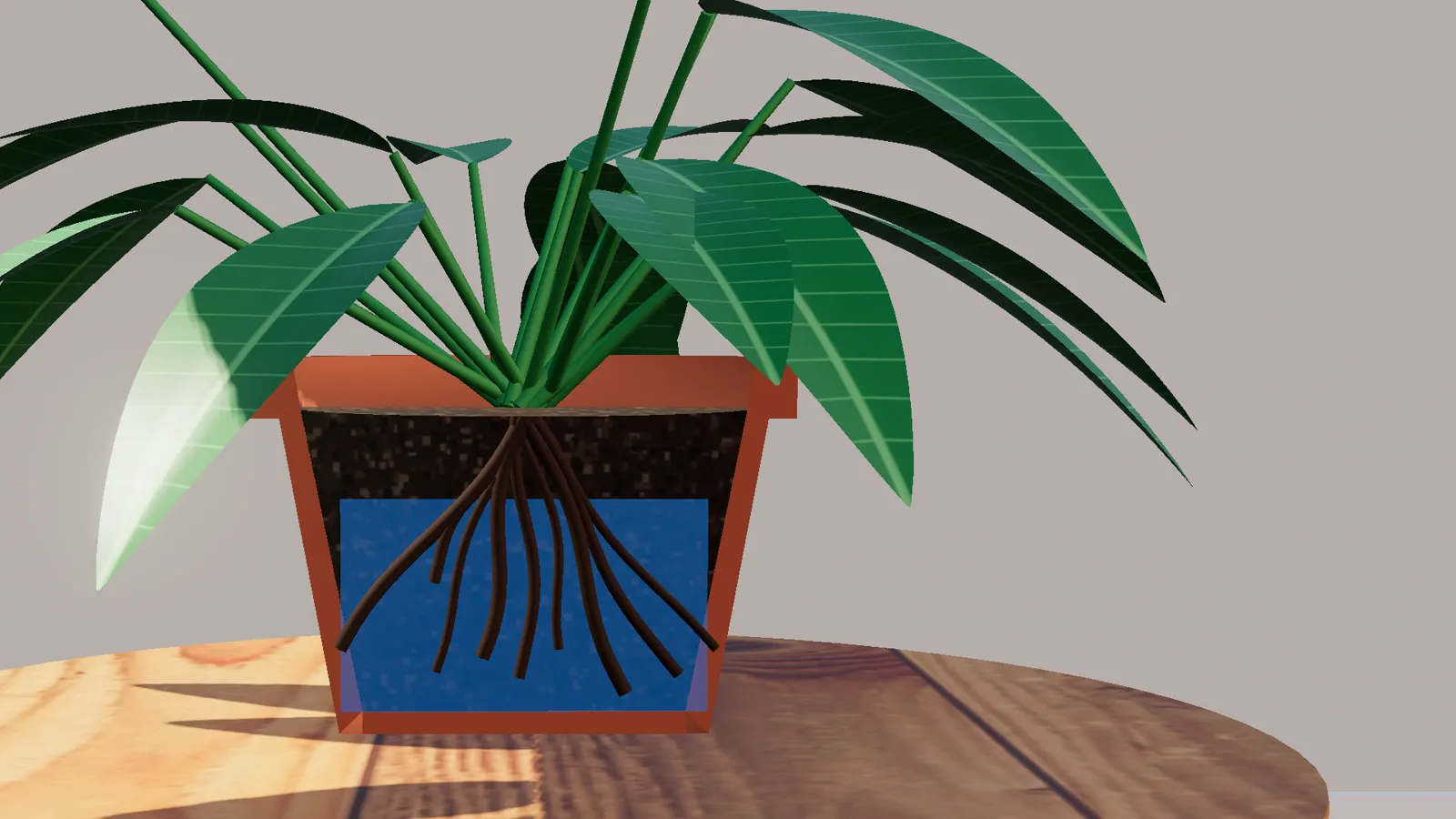
- Too much water: If the soil is wet, the roots are short of air, not water.[5][4][2]
- Root or stem rot: Soft, dark roots or a soft stem base mean rot has set in.[8][2]
All causes and full fixes for drooping or wilting in the Plant Problem Finder
3. Why are the leaf tips turning brown?
Brown, crispy tips usually come from dry air near heaters, uneven watering, or fertilizer and mineral salts building up in the potting mix.
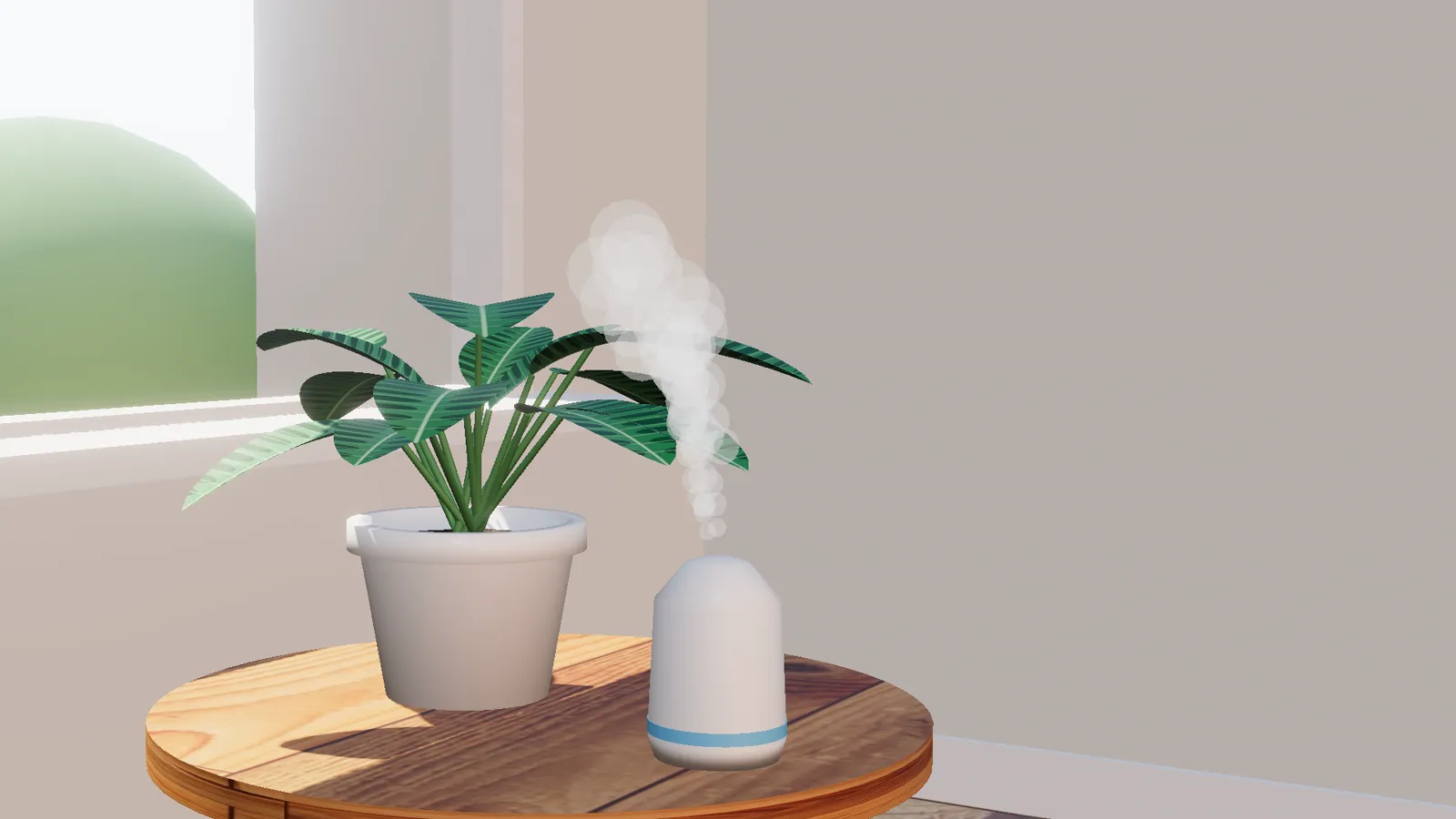
- Dry air, heat or drafts: Heating, radiators and drafts dry the leaf edges first.[4][2][3]
- Uneven watering: Soil that swings from soaked to bone dry damages the tips.[3][2][1]
- Fertilizer or mineral salt buildup: A white crust is the clue: too much feed, or hard tap water.[9][10][3]
- Roots have outgrown the pot: Roots fill the pot, so the root ball dries out too fast.[11]
All causes and full fixes for brown, crispy tips in the Plant Problem Finder
4. Why is my plant tall and thin?
Long, thin stems with big gaps between leaves mean the plant is stretching for light. Move it closer to a bright window.
- Not enough light: Wide gaps between leaves show the plant reaching for light.[2][7][4][12]
- Light from one side only: A plant that leans toward the window needs turning.[12][3]
All causes and full fixes for leggy, stretched growth in the Plant Problem Finder
5. What do pale, scorched patches on leaves mean?
Pale, bleached patches that turn brown and brittle are sunburn, usually after a move into stronger sun. Move the plant out of direct sun.
All causes and full fixes for sunburn in the Plant Problem Finder
6. Why is my plant dropping leaves?
Sudden leaf drop usually follows a change: a move, a cold draft, dry heating air, or watering that swings between too wet and too dry.
- A sudden change: Many plants react to a move or new conditions within weeks.[3][14][2]
- Cold or drafts: Cold glass, outside doors and drafts chill the leaves.[4][2][14]
- Dry air: Heated winter air is the usual trigger.[4]
- Too much or too little water: Soggy soil and bone-dry soil can both cause it.[14][3][1][4]
All causes and full fixes for sudden leaf drop in the Plant Problem Finder
7. How do I know if my plant has pests?
Sticky leaves, fine webs, cottony white tufts or tiny bumps mean sap-sucking pests. Separate the plant from others, then identify the pest before treating.
- Spider mites: Look for fine webbing and pale speckles on the leaves.[2][3]
- Mealybugs: White, cottony fluff along veins and leaf joints.[2][3]
- Scale insects: Waxy bumps that hardly move, with sticky leaves.[2][3]
- Aphids: Soft insects crowd on new growth and leave sticky leaves.[2][3]
Tiny dark flies running over the soil are a different pest, fungus gnats. See how to get rid of fungus gnats.[2]
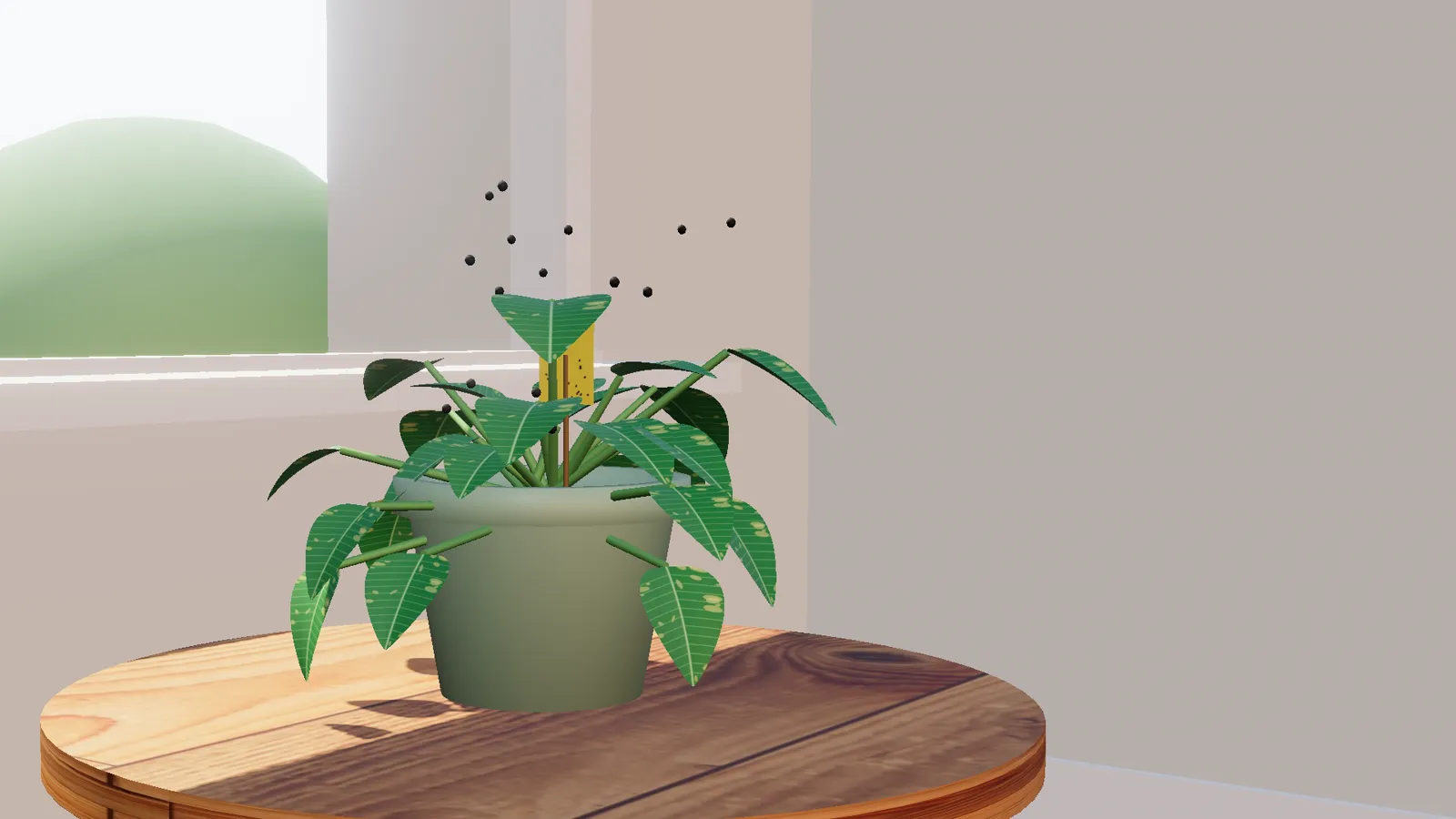
All causes and full fixes for pests in the Plant Problem Finder
8. Why has my plant stopped growing?
A plant that stops growing is often resting for winter, short of light, hungry, or out of room in its pot.
- Winter rest. Many houseplants slow down or rest in winter, when they need less water and no fertilizer. First step: nothing, if it is winter and the plant looks healthy. Wait for spring.[15][16]
- Not enough light. Slow, weak or spindly growth and pale leaves are signs the light is too low. First step: move the plant closer to a bright window.[17][2][4]
- Needs feeding. Plants kept in the same potting mix for years use up its nutrients, and growth becomes lackluster with yellowing leaves. First step: feed with a liquid fertilizer during the growing season, or repot into fresh mix.[4][2]
- Roots out of room. Roots circle the pot or grow out of the drainage holes, and water runs straight through. First step: repot into a slightly larger pot and loosen the root mass.[11][18]
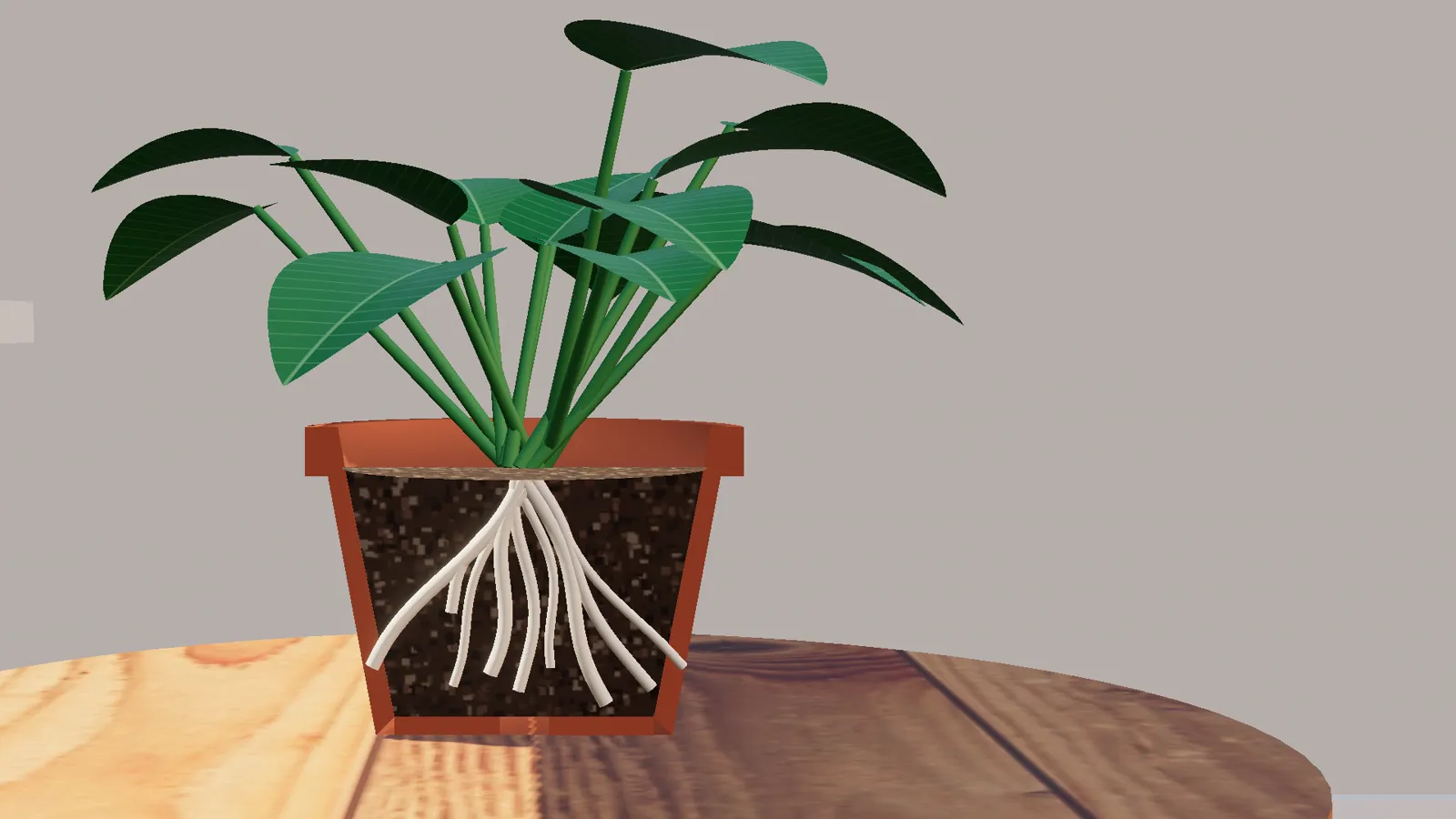
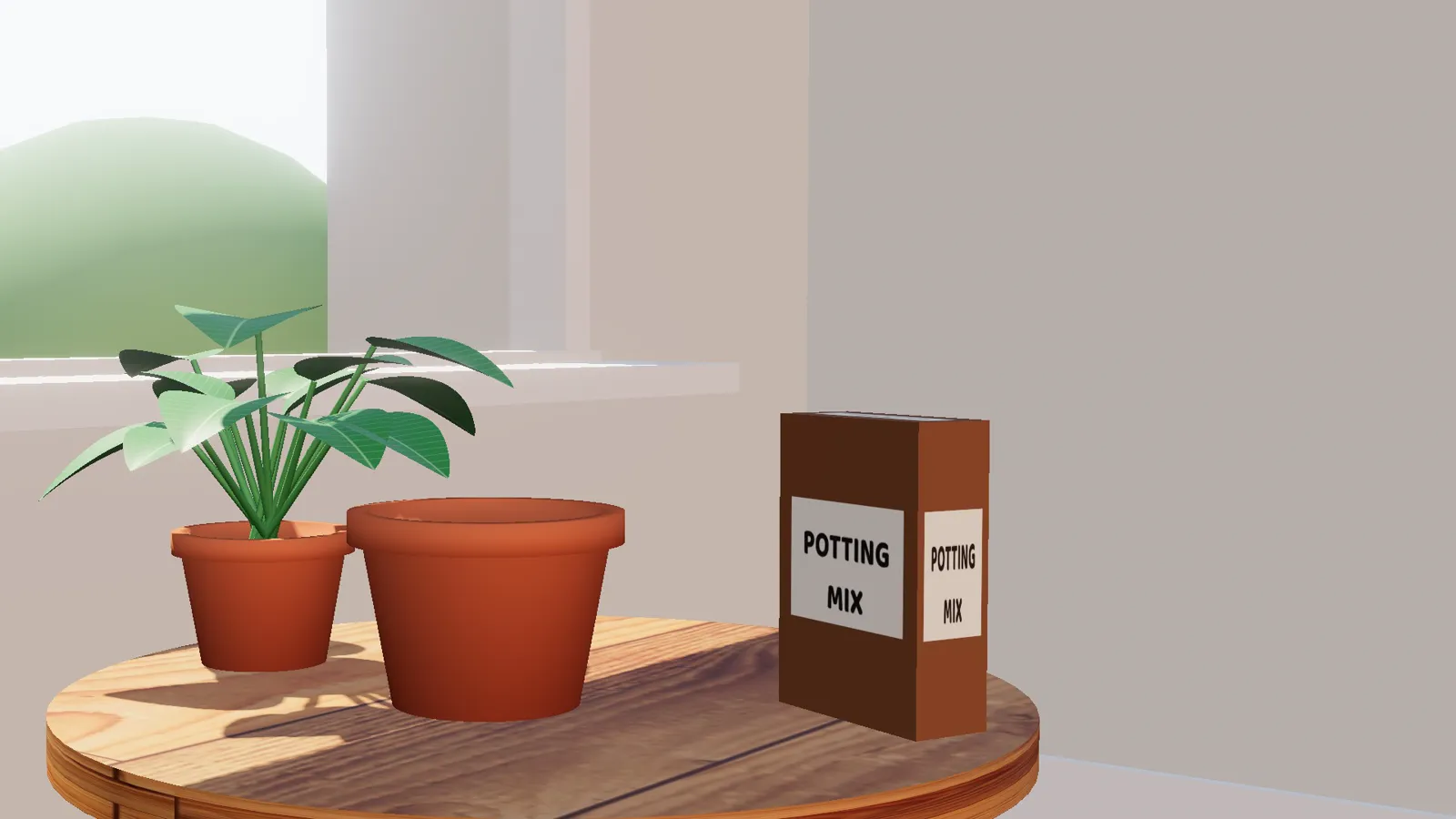
If it is not winter, start with the light. The Light Checker tells you whether a spot is bright enough and which plants fit it.
What should I do after the first fix?
Give the plant time. Damaged leaves will not turn green again, so judge the fix by the new leaves over the next few weeks.
Cut off leaves that are completely yellow, brown or moldy, because they will not recover, and keep leaves that are still mostly green until new ones grow.[4] Plants that were moved often go through an adjustment period; if yellowing or leaf drop continues for more than a few weeks, move the plant again and change how you water.[3]
Print the one-page houseplant care cheat sheet
Common questions
Will yellow leaves turn green again?
No. Leaves that are completely yellow or brown will not recover, so cut them off with clean pruners. Keep leaves that are still mostly green until the plant has grown new ones.
How can I tell overwatering from underwatering?
Feel the soil and lift the pot. Wet soil and a heavy pot point to too much water; dry soil and a light pot point to too little. Healthy roots are white. Dark brown to black roots point to overwatering, rusty orange to light brown roots to underwatering.
When is it time to give up on a plant?
When most of the roots are mushy, when soft rot has spread through the stems, or when pests keep coming back after treatment. In those cases extension services advise throwing the plant away before the problem spreads to your other plants.
Are tiny flies around the soil a sign my plant is sick?
They are usually fungus gnats, which breed in moist potting mix. The adults are harmless to people, but large numbers of larvae feed on roots. Letting the soil dry more between waterings is the main fix.
How do I stop problems from coming back?
Check the soil before every watering, look your plants over each week, and check new plants carefully before they join the others. Move any plant with pests away from the rest straight away.
Sources
Each numbered link in the text points to one of these pages, each opened and read on the date shown. How we check facts.
- Watering Indoor PlantsUniversity of Maryland Extension. Checked .
- Pest Notes: Houseplant Problems (Publication 74172)University of California Statewide IPM Program. Checked .
- Troubleshooting HouseplantsUniversity of Illinois Extension. Checked .
- How to help a poorly houseplantRoyal Horticultural Society. Checked .
- Overwatered Indoor PlantsUniversity of Maryland Extension. Checked .
- Winter Indoor Plant ProblemsUniversity of Maryland Extension. Checked .
- Low Light Impacts on Indoor PlantsUniversity of Maryland Extension. Checked .
- Root Rots on Indoor PlantsUniversity of Maryland Extension. Checked .
- Fertilizer Toxicity or High Soluble Salts in Indoor PlantsUniversity of Maryland Extension. Checked .
- Mineral and Fertilizer Salt Deposits on Indoor PlantsUniversity of Maryland Extension. Checked .
- Pot-Bound Indoor PlantsUniversity of Maryland Extension. Checked .
- Keep houseplants happy with simple solutionsUniversity of Illinois Extension. Checked .
- Excess Light on Indoor PlantsUniversity of Maryland Extension. Checked .
- Houseplant Diseases & DisordersClemson Cooperative Extension, Home & Garden Information Center. Checked .
- Indoor Plants: Cleaning, Fertilizing, Containers and Light RequirementsClemson Cooperative Extension, Home & Garden Information Center. Checked .
- Indoor Plants: WateringClemson Cooperative Extension, Home & Garden Information Center. Checked .
- How to Care for HouseplantsIowa State University Extension and Outreach. Checked .
- Repotting HouseplantsPenn State Extension. Checked .