Peace lily care
A shade-tolerant plant that tells you when it is thirsty by drooping, and flowers even where light is low.
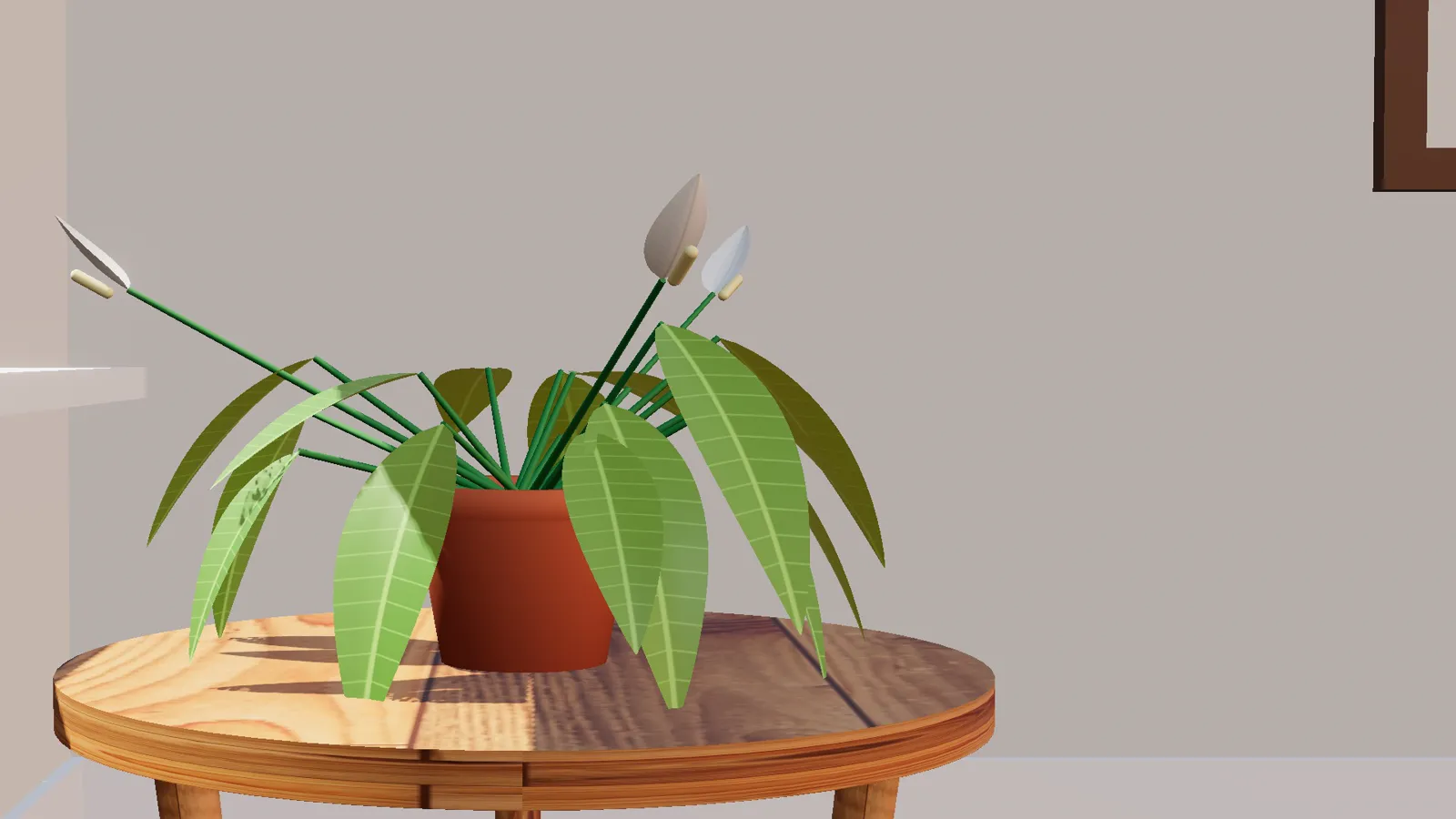
What matters most
- It droops when dry and revives after watering.[1] Water once the top inch or so (a few centimeters) of mix is dry, and never leave it standing in water.[2][3]
- Bright, indirect light is best. Keep it out of direct sun, which scorches the leaves.[3]
- Keep it warm: below 60°F (16°C) it can suffer cold damage.[3]
Quick facts
| Botanical name | Spathiphyllum species[3] |
|---|---|
| Light | Grows best in: bright indirect light. Grows in: bright indirect light, medium light, low light. Keep it out of direct sun, which scorches the leaves.[3][1] |
| Watering | Moist, never soggy; a slight dry-out between drinks is fine.[3] |
| Cats and dogs | Toxic[4][5] |
| Humidity | Prefers moderate humidity. In air that is too dry the leaves can turn brown.[2] |
| Temperature | 68 to 85°F (20 to 29°C) during the day and about 10°F (5°C) cooler at night. Below 60°F (16°C) it can get cold damage.[3][6] |
| Potting mix | Almost any well-drained potting mix, high in organic matter.[3][6] |
| Feeding | Very little: a balanced liquid houseplant fertilizer every six to eight weeks in spring and summer, at a quarter of the label strength.[3] |
| Water quality | Use room-temperature water. Fluoride in tap water can damage the leaves, so the RHS suggests rainwater or filtered water when possible.[3][2] |
Check your own plant. Both tools open with this plant already picked.
What makes peace lily different
- The drooping is a signal. Lack of water makes it droop alarmingly, but watered promptly it soon recovers with no ill effects.[2] Do not make a habit of it: if the soil dries out too far, the leaves and their edges turn yellow.[3]
- It flowers in low light. It is one of the few foliage plants that will.[3] Still, no flowers usually means too little light or a plant under a year old.[3][2]
- The flowers turn green. The white blooms change to pale green after about 10 days, then stay attractive for at least another month.[6]
- It likes a snug pot. Peace lilies like to be slightly pot-bound; repot once roots grow out of the drainage holes.[3]
- Bottom watering suits it. Watering from below works very well for peace lilies.[6]
Common peace lily problems
- Drooping: most often thirst (see above).[2]
- Root and stem rot: the most common problem, usually from overwatering.[3]
- Brown leaf tips: from low humidity, underwatering or too much direct sun,[6] or from too much fertilizer and salt build-up.[6][3]
- Pests: few, but fungus gnats, mealybugs, spider mites and scale can cause trouble.[3]
Repotting and propagation
Repot only when the roots are densely packed.[2] Choose a pot just 1 to 2 inches (2.5 to 5 cm) wider; a much bigger pot keeps the mix too wet and leads to root rot.[3] NC State suggests February or March.[6]
Divide a large, established clump in spring: the easiest way to get new plants.[2]
Common questions
Why is my peace lily drooping?
Usually thirst. A dry peace lily droops dramatically, then revives soon after a good watering. If the soil is already wet, check the roots for rot instead.
Why won't my peace lily flower?
Most often too little light, or a plant less than a year old. Move it to bright, indirect light, out of direct sun.
Why are the white flowers turning green?
That is normal. The white spathes turn pale green after about 10 days and then last at least another month.
Is a peace lily safe for cats and dogs?
No. The ASPCA lists the peace lily as toxic to cats and dogs.
Sources
Each numbered link on this card points to one of these pages, each opened and read on the date shown. How we check facts.
- Easy Low-Maintenance HouseplantsIowa State University Extension and Outreach. Checked .
- How to grow peace liliesRoyal Horticultural Society. Checked .
- Peace LilyClemson Cooperative Extension, Home & Garden Information Center. Checked .
- Toxic and Non-Toxic Plant List: CatsASPCA. Checked .
- Toxic and Non-Toxic Plant List: DogsASPCA. Checked .
- Spathiphyllum | North Carolina Extension Gardener Plant ToolboxNC State Extension. Checked .